Posts

How to Develop Your Skincare Routine with Retinols

Image
Retinol is the superstar anti-aging magic potent and everyone loves using it on their skin. It addresses all the issues from wrinkles to acne, but some people hesitate to incorporate  it into their skincare routines. Here’s a complete guide for you to understand how retinol works and how you can start using it with your beauty routine. What Is Retinol? Retinol is a derivative of Vitamin A that helps increase the cell turnover on your skin. It removes your dead cells and gives room to renew your skin, making it glow and keeping it stimulated. When you use retinol regularly it can improve your skin texture, delay aging, fill out your existent wrinkles, reduce pore size and battle with breakouts and scars. How To Introduce Retinol To Your Skincare Routine? It’s best to introduce one new product to your skincare routine to understand the effects or any reactions  that it’s causing. It’s fairly easy to start with retinol; however, there are some things that you need to be mindful o...
The Miraculous Effects of Tea Tree Oil on Acne Prone Skin

Image
Tea tree oil is an essential oil that is growing to be a popular ingredient in skincare items. It is an excellent natural treatment for skin, hair, and nail ailments. Tea tree oil has proven beneficial for skin conditions such as acne and eczema. Where does Tea Tree Oil come from? Tea tree oil is derived from the Australian Melaleuca alternifolia tree  leaves and is known for its anti-bacterial and fungi-killing properties. Today, tea tree oil is used as a remedy for burns and in surgery and dental care. There is a wide range of tea tree products  available for everyday use, including soap, toothpaste, shampoo, lip balm, oils and creams. With this versatile ingredient, the options are limitless. How does it work for my acne? Acne occurs as a result of your pores becoming blocked by oil, bacteria or dirt . The repetitive production of oil and bacteria causes pimples and zits on your face. However, acne is curable. Tea tree oil has antiseptic properties that reduce the productio...

Why Using Chemical- Laden Products Is Bad For Your Skin

Image
  We all want our skin to look beautiful, fresh, and supple; but did you know that using certain beauty products may actually harm it ? Many beauty products contain harmful chemicals  such as alcohol, preservatives, and artificial colors. And considering the fact that the average woman applies 12 beauty products  to her skin every day, this is a cause for concern. These products contain up to 168 different chemicals , and research has shown that our skin absorbs up to 60 percent  of them. Read on to learn how these chemicals are harmful to your health. Causing allergies Some beauty products contain chemical compositions that can result in allergies . This is especially dangerous if you don’t know what you’re allergic to, meaning you might not realize which product is causing the issue. Discoloration of skin Many beauty products contain artificial colors; these are harmful to your skin and might cause discoloration and uneven spotting . If you continuously use these ...

Retinol and How It Helps Fight The Effects Of Aging

Image
  The quest for perfect skin is confusing, time consuming, and takes a lot of learning about a lot of things—but it’s also worth it. Whether you swear by the Korean 10-step skincare routine or are very selective about the products you put on your face, if you’re using anti-aging products, you’ve probably come across retinol in some shape or form. The ingredient has been a skincare game-changer  for many people, and three of its superpowers include reversing the signs of aging, treating acne, and brightening up skin tone. If you’re interested in learning more about this incredibly potent ingredient, here’s everything you need to know about it. The Difference Between Retinoids, Retinol, and Retin-A There are several different types of retins and retin-based products. These include retinoids, retinol, and Retin-A. Retinoids are a form of vitamin A , combined with anti-aging compounds. They’re known for reducing acne, fighting pigmentation, smoothening out wrinkles, increasing cel...

Give Yourself A Spa-Worthy At-Home Pedicure

Image
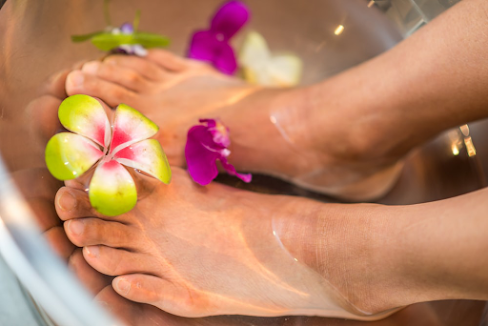
Due to COVID-19, spas, salons, and other beauty-related services have been shuttered for months. Even though businesses have been reopening for the past few weeks, many people are still not convinced that it’s safe enough to go. With all the uncertainty regarding COVID-19, you’ve probably been neglecting your feet. An at-home, spa-like pedicure will help you rejuvenate your feet and get some much-needed relaxation too! Here are the steps to follow: Soak your feet Soaking your feet helps soften the dead skin which can be removed later. It also helps with cuticle removal. The overall feeling of soaking your legs in some warm water is essential to help you relax. You can include Epsom salt and a tea tree foot soak to take your at-home pedicure to the next level. Tea tree is known to have anti-fungal  and anti-bacterial properties that help remove any odor that could be a result of fungus or bacteria. Remove the dead skin Once your feet have been soaking for a while, the dead skin is e...

How Much Does The Sun Age You?

Image
Sun damage is the number one cause for a number of skin issues that arise, aging, in particular. The harmful UV rays of the sun penetrate deep into the layers of skin and damage the cells, which is why it’s so important to protect yourself, no matter what your age. About 80 to 90% of how young or old you look is due to the sun’s effect on your skin. The thinning of the ozone layer has done no favors in this respect either. Since more UVB rays  now reach the earth, the chances of malignant melanomas and cataracts have also increased. Here are some reasons to protect yourself from the sun’s harmful rays: Sun exposure is responsible for 90% of skin aging The world health organization has dedicated resources to teaching people about the harmful effects of the sun. They particularly cover the health implications of UV radiation and how it increases the chances of developing skin cancer. Sun damage effects the skin that’s exposed, so generally the face, hands, feet, chest, and neck tend ...